Enhance Sales with Innovative Retail AI Tools
24 Dec 2025
The Modern Customer Experience with Retail AI
Retail AI tools are reshaping the shopping experience. They offer personalised interactions that cater to individual customer needs.
These tools use data to understand consumer behaviour and preferences. This leads to more relevant product recommendations and improved customer satisfaction.
Retailers are leveraging AI to streamline operations and enhance efficiency. Automation tools reduce costs and free up staff for customer engagement.
AI-driven insights help businesses make informed decisions. They provide a competitive edge in the fast-evolving retail landscape.
As technology advances, retail AI tools continue to evolve. They offer new opportunities for innovation and growth.
The Rise of Retail AI Tools: Transforming the Industry
Retail AI tools are increasingly integral to the industry. They bring new solutions to old problems, creating seamless customer experiences.
These tools are not just futuristic concepts.
They are practical applications that enhance how retailers operate daily.
AI tools empower retailers to transform how they engage with customers. The benefits are clear, from personalised service to operational efficiency.
Key benefits of retail AI tools include:
Improved customer insights.
Enhanced product recommendations.
Streamlined in-store operations.
Optimised pricing and promotions.
Retailers who embrace AI witness substantial improvements. They achieve better sales outcomes and customer satisfaction.
AI solutions enable retailers to understand customer journeys in real time. This understanding fosters deeper connections with shoppers.
The flexibility and power of AI tools drive innovation in retail. They help businesses anticipate and respond to trends quickly.
As retail AI tools continue to develop, their impact will likely grow. They offer endless possibilities for enhancing the retail experience.
Harnessing Retail Analytics Software and First-Party Data
Retail analytics software is a game-changer for businesses. It allows retailers to dive deep into customer behaviour and preferences.
First-party data is gold for retailers. It provides insights directly from customer interactions, boosting the accuracy of data analysis.
By leveraging first-party data, retailers create detailed customer profiles. These profiles allow for highly targeted marketing strategies.
Some benefits of using retail analytics software include:
Improved understanding of customer trends.
Ability to refine marketing efforts.
Enhanced forecasting of demand.
Personalised shopping experiences.
Retailers can analyse purchase patterns and customer feedback with these tools. This analysis helps in crafting better customer experiences.
Retail analytics software integrates various data streams seamlessly. This integration provides a unified customer profile, enhancing personalisation.
Analysing data is no longer a luxury; it's a necessity. It enables retailers to stay ahead in the competitive landscape.
These tools also help identify new opportunities for growth. They provide actionable insights that influence strategic decisions.
Effective use of retail analytics and first-party data can transform operations. This transformation can lead to increased customer loyalty and higher sales.
Building a Unified Customer Profile for Personalisation
Creating a unified customer profile is vital for retailers. It combines data from various channels to form a complete view of each customer.
This comprehensive view enhances personalisation. It allows retailers to tailor experiences uniquely suited to individual preferences.
By consolidating data, retailers can understand customer history better. This understanding helps drive engagement and improve customer satisfaction.
Some key benefits of a unified customer profile include:
Consistent brand experience across all channels.
Better-targeted marketing efforts.
Enhanced ability to predict customer needs.
Improved customer service and support.
With access to a unified profile, businesses can offer personalised recommendations. These recommendations lead to higher conversion rates and customer satisfaction.
Retailers can also use these profiles to identify buying patterns. This identification allows for more effective stock management and marketing strategies.
Unified profiles are essential in today’s data-driven market. They provide the foundation for tailored experiences that consumers now expect.
Implementing a unified customer profile system strengthens relationships. It transforms casual shoppers into loyal customers, benefiting long-term business growth.
AI Product Recommendations: Driving Engagement and Sales
AI product recommendations have become a cornerstone in modern retail.
These smart suggestions guide customers, enhancing their shopping experience significantly.
By analysing past purchases and browsing habits, AI can suggest relevant products. This relevance makes recommendations more appealing to customers.
Benefits of AI product recommendations include:
Increased conversion rates through personalised suggestions.
Enhanced customer satisfaction by meeting individual needs.
Improved inventory turnover by promoting suitable products.
Retailers leveraging AI recommendations often see higher engagement levels. Customers feel understood, which leads to increased loyalty over time.
Moreover, these intelligent tools boost sales. They empower customers to discover products they might have overlooked.
AI recommendations are also adaptive. They learn from real-time data, continually refining suggestions for accuracy.
For businesses, this means a competitive edge. They can personalise interactions at scale, a feat once unimaginable without AI.
Using AI for product recommendations is essential for keeping up with changing consumer expectations and boosting long-term profitability.
Clientelling and Enhanced Customer Service with AI
Clientelling has been transformed by AI, reshaping how retailers interact with customers. AI empowers sales assistants with detailed customer insights.
Personalised service is at the core of AI-enhanced clientelling. By leveraging data, assistants can tailor interactions to individual preferences.
Key improvements through AI in clientelling include:
Access to real-time customer profiles.
Enhanced ability to anticipate customer needs.
Improved follow-up and engagement opportunities.
AI tools enable staff to offer relevant suggestions during in-store and online interactions. This personalisation boosts customer satisfaction.
Moreover, AI-driven insights help sales teams understand buying patterns. They can provide targeted recommendations based on this knowledge.
Customer service becomes more proactive with AI. Issues are anticipated before they arise, ensuring seamless experiences.
AI tools also facilitate smoother communication. They provide sales teams with data at their fingertips, enabling informed conversations.
Investing in AI for clientelling allows retailers to deepen relationships. This focus on individual customer needs significantly enhances loyalty and trust.
Retail Automation Tools: Streamlining Operations and Efficiency
Retail automation tools are revolutionising how businesses operate. These tools simplify tasks that once required significant time and effort.
Automation in retail covers a broad spectrum of activities. These include inventory management, pricing adjustments, and customer service.
Here’s how automation drives efficiency:
Reduces manual errors in operations.
Speeds up processes such as order fulfilment.
Enhances resource allocation across departments.
By automating repetitive tasks, retailers free up staff. This allows them to focus on enhancing customer engagement instead.
Automation tools also enhance productivity. They optimise workflows, ensuring smooth operations even during peak times.
Moreover, they provide critical data insights. This informs decision-making, aligning strategies with current market demands.
The integration of automation boosts overall business performance. Retailers experience fewer bottlenecks and improved service delivery.
As retailers continue to adopt automation, they gain a competitive edge. The streamlined operations lead to cost savings and greater customer satisfaction.
Data Analysis and Predictive Insights for Smarter Retail
Data analysis has become indispensable in modern retail. It helps retailers understand customer behaviour and preferences at a granular level.
Predictive insights derived from data are transformative. They enable retailers to anticipate market trends and adjust strategies accordingly.
Key benefits of data analysis in retail include:
Identifying potential growth areas and product gaps.
Enhancing customer experience through tailored services.
Optimising inventory by predicting demand accurately.
With predictive analytics, retailers can foresee shifts in consumer demands. This leads to better stock management and fewer shortages or surpluses.
Retailers use data to personalise marketing campaigns. By analysing customer journeys, they create more impactful and targeted messages.
Furthermore, predictive tools aid in strategic planning. They help businesses schedule promotions and manage resources efficiently.
By leveraging data, retailers gain a competitive edge. It allows them to stay ahead of the curve and meet customer expectations adeptly.
As the retail landscape evolves, data-driven insights become crucial. They enable smarter, more informed business decisions for sustainable success.
Real-World Examples: Retailers Succeeding with AI Tools
Several retailers have successfully integrated AI into their operations. Their success stories provide valuable insights into AI's potential impact.
Retail giant Amazon uses AI to power its recommendation engine. This system suggests products based on customer behaviour, increasing sales and customer satisfaction.
Walmart is leveraging AI for inventory management. Its AI tools predict stock needs, improving supply chain efficiency and reducing waste.
Key industries for retailers utilising AI effectively include:
Luxury & Jewellery: Building enhanced long term relationships and understanding their buyers preferences.
Real Estate: Delivering fast responses for on questions from buyers on the go.
B2B/Field Sales: Having product data to hand at their fingertips at all points of the sales journey.
In beauty retail, Sephora has revolutionised clientelling. AI tools help associates offer personalised advice, enhancing the shopping experience and fostering loyalty.
By adopting AI, these retailers have achieved measurable success. They report better customer engagement, increased sales, and streamlined operations.
These examples highlight AI's transformative potential in retail. They underscore the need for innovative approaches to meet evolving consumer demands.
The Future of Retail AI: Trends and Opportunities
The future of retail AI promises thrilling advancements. AI tools are expected to become more sophisticated, enabling deeper personalisation.
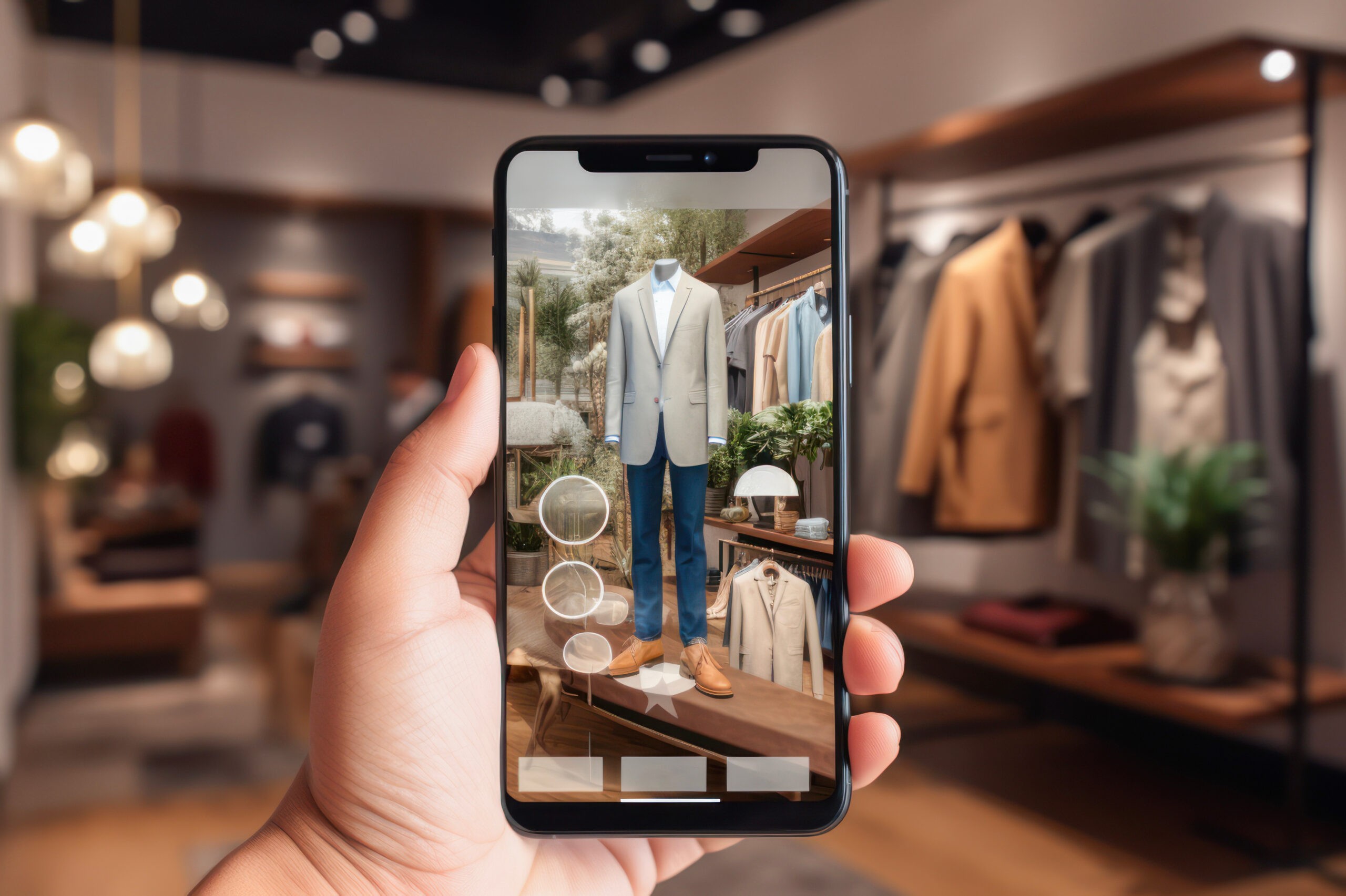
Emerging trends include greater integration of augmented reality, creating immersive shopping experiences. Retailers are eager to explore these possibilities to engage consumers uniquely.
Opportunities lie in using AI for sustainability initiatives. Retailers can reduce waste and optimise resource usage. As AI continues to evolve, businesses that adopt these technologies will likely lead the industry in innovation and growth. The potential for AI in retail is vast, offering boundless opportunities for forward-thinking retailers.
Conclusion: Embracing AI for a Modern Customer Experience
Retail AI tools are reshaping how businesses interact with consumers. They enable personalisation and efficiency on unprecedented levels. By leveraging AI, retailers can create richer, more engaging customer experiences.
The integration of AI into retail is not just a trend but a necessity for success. Embracing these tools paves the way for innovation and growth. Businesses that adapt to this technological transformation will likely lead in the competitive retail landscape.