First-Party Data in Retail: From Website to Shop Floor
25 Dec 2025
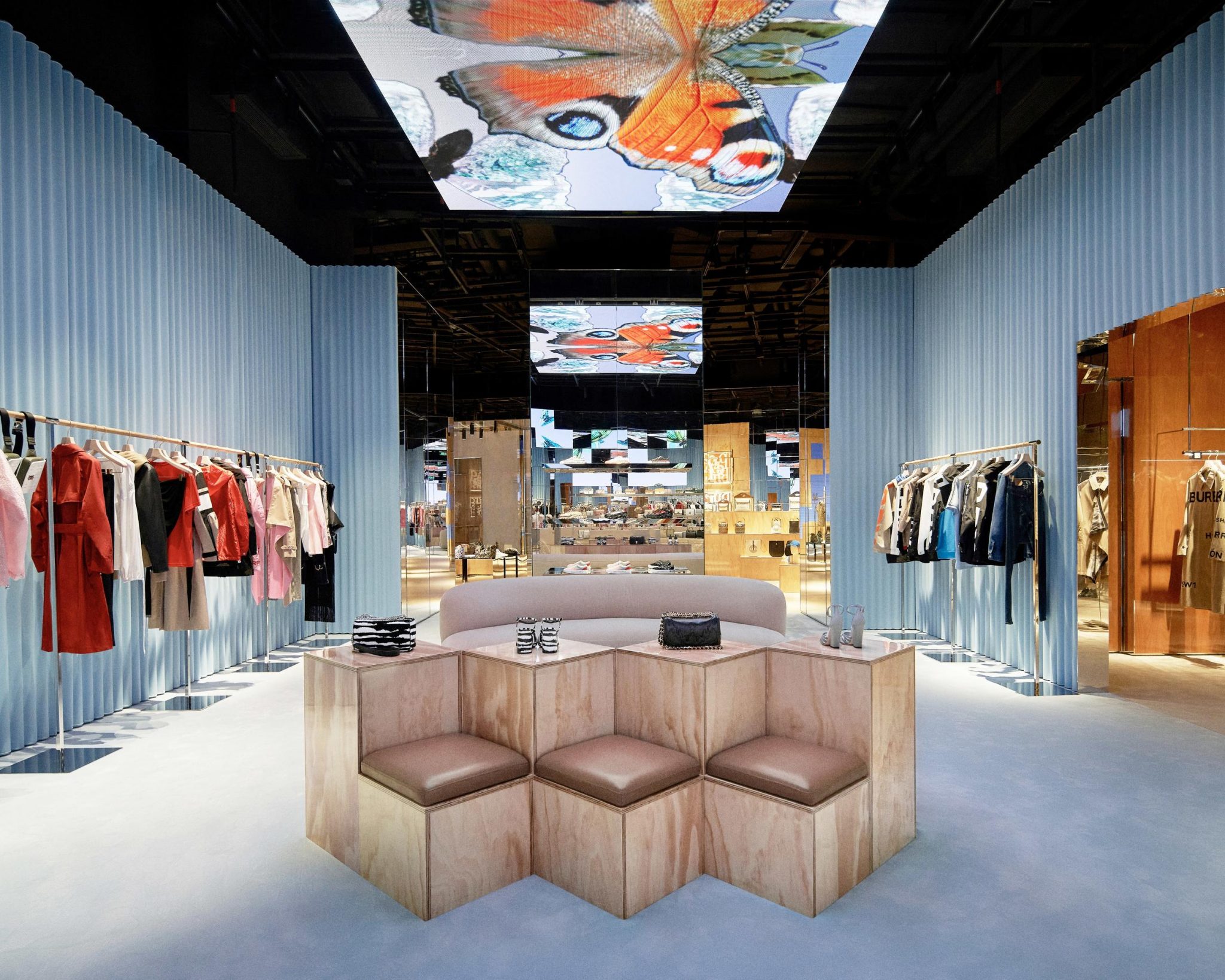
The retail landscape has fundamentally shifted. Today's consumers browse on Instagram, research on your website, ask questions via chatbot, and then walk into your store expecting a seamless, personalised experience. Yet many retailers still operate with siloed data systems where online behaviour remains disconnected from in-store interactions. This fragmentation isn't just inefficient—it's costing you sales.
First-party data in retail—the information customers willingly share through direct interactions with your brand—has become the most valuable asset in your arsenal. From website visits and email engagement to social media interactions and in-store purchases, this data holds the key to understanding who your customers truly are and what they want. The challenge isn't collecting this data; it's unifying it and putting it to work on the shop floor where it matters most.
Understanding First-Party Data in the Retail Context
First-party data encompasses every digital footprint your customers leave across your owned channels. When someone browses your website, adds items to their cart, subscribes to your newsletter, engages with your social media posts, or makes a purchase, they're providing valuable insights into their preferences, behaviours, and intent.
Unlike third-party cookies—which are being phased out across major browsers—first-party data belongs entirely to you. It's more accurate, privacy-compliant, and directly relevant to your business. More importantly, it represents genuine customer interest rather than inferred behaviour from external sources.
The real power of first-party data emerges when you connect these digital touchpoints with physical store interactions. A retail customer data platform serves as the foundation for this unified approach, aggregating information from every channel into a single source of truth. This creates what's known as a unified customer view retail strategy—where every team member can access the complete story of each customer's relationship with your brand.
The Omnichannel Reality: Why Data Silos Are Killing Your Sales
Consider this common scenario: A customer spends twenty minutes on your website exploring winter coats, adds two items to their cart, but doesn't complete the purchase. Three days later, they walk into your physical store. Your sales associate greets them warmly but has no idea about their online browsing history, abandoned cart, or product preferences.
This disconnect represents a massive missed opportunity. Omnichannel retail data strategies recognize that modern shopping journeys are rarely linear. Customers move fluidly between channels, and your data systems need to move with them.
Retail customer insights become truly actionable when they're accessible at the moment of interaction. When your sales associate can see that browsing history, they can immediately engage the customer with relevant recommendations: "I see you were looking at our quilted winter coats online. We actually just received a new shipment in the color you viewed. Would you like to see them?"
This level of personalization isn't just impressive—it's increasingly expected. Research shows that 73% of buyers expect sales staff to know their preferences without repeating them, and 78% of buyers expect comprehensive knowledge beyond just product details.
Creating Your 360-Degree Customer View
Creating a 360-degree customer view in retail requires more than just collecting data—it demands intelligent integration and real-time accessibility. Here's how leading retailers are achieving this:
1. Unify Your Data Sources
Your retail CRM software should aggregate data from:
E-commerce platforms (browsing behaviour, cart activity, purchase history)
Social media channels (engagement, preferences, direct messages)
Email marketing (open rates, click behaviour, preferences)
Physical store interactions (purchases, returns, in-store browsing)
Customer service touchpoints (support tickets, chat conversations)
Loyalty program data (points, redemptions, tier status)
The goal is connecting online and in-store customer data in real-time, not batch processes that leave sales associates working with outdated information.
2. Make Data Accessible Where It Matters
In-store customer data is only valuable if your sales team can access it. This is where modern retail personalisation platforms excel—putting comprehensive customer profiles directly into the hands of shop floor associates via tablets or mobile devices.
Your sales team should be able to answer questions like:
Has this customer shopped with us before, and what did they buy?
What products have they viewed online recently?
Do they have any outstanding orders or pending returns?
What's their preferred contact method and communication frequency?
Are they enrolled in our loyalty program, and what's their tier status?
3. Leverage AI for Intelligent Insights
Raw data alone isn't enough. AI in retail transforms data into actionable intelligence. Machine learning algorithms can:
Identify patterns in customer behaviour that humans might miss
Predict which products a customer is most likely to purchase
Suggest optimal times for follow-up communications
Flag high-value customers who deserve immediate attention
Recommend complementary products based on browsing and purchase history
Customer intelligence for retail powered by AI enables your team to work smarter, not harder, focusing their energy on high-impact interactions rather than manual data analysis.
Turning Online Shoppers Into In-Store Buyers
One of the most powerful applications of first-party data is turning online shoppers into in-store buyers. Here's how to bridge that gap:
Identify High-Intent Online Browsers
Use your retail analytics platform to segment customers based on online behavior. Someone who has:
Visited your website multiple times in the past week
Spent significant time on product pages
Added items to cart but hasn't purchased
Searched for store locations
These signals indicate high purchase intent. Your system should flag these customers as priority prospects.
Enable Intelligent In-Store Engagement
When these high-intent customers enter your physical location, your sales associates should be notified. Clienteling software can send alerts to team members' devices: "VIP customer Sarah Johnson just entered the store. She's been browsing our leather handbag collection online and has two items in her cart."
Armed with this context, your associate can provide personalising the in-store experience with data—greeting Sarah by name, offering to show her the handbags she viewed online, and potentially offering an incentive to complete her purchase in-store.
Create Seamless Cross-Channel Experiences
Omnichannel customer experience strategies ensure consistency across every touchpoint:
If a customer starts a purchase online, they should be able to complete it in-store without friction
Items reserved online should be waiting when they arrive
Loyalty points and promotions should apply regardless of purchase channel
Returns should be hassle-free whether the item was bought online or in-store
This seamlessness builds trust and encourages customers to engage with your brand however they prefer.
Practical Applications: How to Use First-Party Data in Retail
Understanding how to use first-party data in retail requires moving from theory to practice. Here are concrete applications that drive results:
1. Personalised Product Recommendations
When customers walk into your store, they should receive recommendations based on their complete history with your brand. If someone frequently purchases athletic wear online, your sales associate can immediately direct them to new arrivals in that category.
Your retail automation software can also trigger personalised communications. If a customer browses running shoes online but doesn't purchase, send a follow-up email with additional options and an invitation to visit your store for a fitting.
2. Inventory Intelligence
In-store personalisation extends to inventory management. If a customer's size in their favourite brand is running low, proactively reach out before they visit. If an item they viewed online is only available at another location, offer to have it transferred or shipped to their preferred store.
3. Clienteling at Scale
Traditional clienteling techniques required sales associates to manually track customer preferences in notebooks. Modern clienteling software automates this process while maintaining the personal touch.
Associates can see notes from previous interactions, birthdays, style preferences, and size information—all without manual data entry. This allows them to focus on building relationships rather than record-keeping.
4. Predictive Engagement
Use your first-party data to predict when customers are likely to need your products again. If someone purchases seasonal items annually, reach out proactively as that season approaches. If purchase patterns suggest a customer is due for a replacement, send a timely reminder with current options.
5. VIP Treatment for High-Value Customers
Your retail customer data platform should automatically identify your most valuable customers based on lifetime value, purchase frequency, and engagement levels. When these VIPs enter your store, every team member should know to provide premium service.
Building Your First-Party Data Strategy
Implementing an effective first-party data strategy requires both technology and process changes:
Technology Infrastructure
Invest in a comprehensive retail personalisation platform that can:
Integrate with your existing systems (POS, e-commerce, CRM, marketing automation)
Provide real-time data access to shop floor associates
Offer AI-powered insights and recommendations
Respect customer privacy and comply with data regulations
Scale as your business grows
Platforms like Intouch specialise in unifying customer and operational data, making it accessible where your team needs it most—on the shop floor during actual customer interactions.
Process and Training
Technology alone won't transform your customer experience. Your team needs:
Training on how to access and interpret customer data
Guidelines on when and how to personalise interactions
Permission to act on insights without excessive approval processes
Clear privacy policies so they understand what information can be shared and how
The goal is empowering your sales associates to use retail customer insights naturally in conversations, not making them read from scripts or feel like they're invading privacy.
Data Governance
As you collect and use first-party data, maintain strict governance:
Be transparent with customers about what data you collect and how you use it
Provide easy opt-out mechanisms for those who prefer not to share
Secure customer data with appropriate technical safeguards
Regularly audit your data practices to ensure compliance
Delete data you no longer need or when customers request it
Building trust through responsible data practices is essential for long-term success.
Measuring Success: KPIs for First-Party Data Initiatives
Track these metrics to evaluate your first-party data strategy:
Customer-Level Metrics
Customer lifetime value (CLV)
Purchase frequency
Average transaction value
Cross-channel engagement rates
Net Promoter Score (NPS)
Operational Metrics
Conversion rates (online to in-store, browse to purchase)
Cart abandonment recovery rates
Personalisation engagement rates
Sales associate efficiency
Inventory turnover by customer segment
Data Quality Metrics
Data completeness (percentage of customer profiles with key fields)
Data accuracy (validated contact information, preferences)
Real-time sync reliability
System integration uptime
The Competitive Advantage of Unified Data
In today's retail environment, the businesses that win are those that know their customers best. Third-party data is disappearing. Mass marketing is losing effectiveness. The future belongs to retailers who can create genuinely personalised experiences based on direct customer relationships.
First-party data in retail isn't just about collecting information—it's about building connections. When you understand what customers browse online, you can greet them intelligently in-store. When you know their purchase history, you can recommend products they'll actually love. When you track their preferences, you can create experiences they'll remember.
The technology to achieve this exists today. AI-powered retail tools can process vast amounts of customer data and surface actionable insights in seconds. Modern integration platforms can connect your disparate systems without expensive custom development. Mobile-first retail solutions can put comprehensive customer intelligence directly into your sales associates' hands.
The question isn't whether you should pursue a unified, first-party data strategy—it's how quickly you can implement one before your competitors do.
Taking the First Step
If you're ready to transform your retail operations with unified first-party data, start with these actions:
Audit your current data landscape: What customer information do you collect? Where does it live? Who has access to it? Identify gaps and silos.
Define your ideal customer view: What information would help your sales team most? Purchase history? Browse behaviour? Style preferences? Prioritise the data that drives action.
Evaluate technology solutions: Look for platforms that specialise in omnichannel retail data and in-store personalisation. Schedule demos, ask about integration capabilities, and understand implementation timelines.
Start with a pilot program: Choose one store location or customer segment to test your approach. Gather feedback, refine your process, then scale what works.
Invest in your team: The best technology in the world won't help if your associates don't know how to use it. Create training programs, celebrate early wins, and continuously gather feedback.
The retail winners of tomorrow are being built today—with unified customer data, intelligent insights, and empowered sales teams. The infrastructure for this transformation is ready. The only question is whether you'll be early to adopt or playing catch-up later.
Visit our case studies to see how leading retailers are already putting first-party data to work, transforming browsers into buyers and creating customer experiences that drive loyalty and growth.